Repair: the failed detail and its connections
A roof repair includes the access and detail work needed to restore a limited area. Dividing that cost by a tiny patch size can be misleading because setup and the connection still have to be done.
A roofing price is useful when the work behind it is clear. Start with the scope, the actual roof surface and the conditions that can change the project.
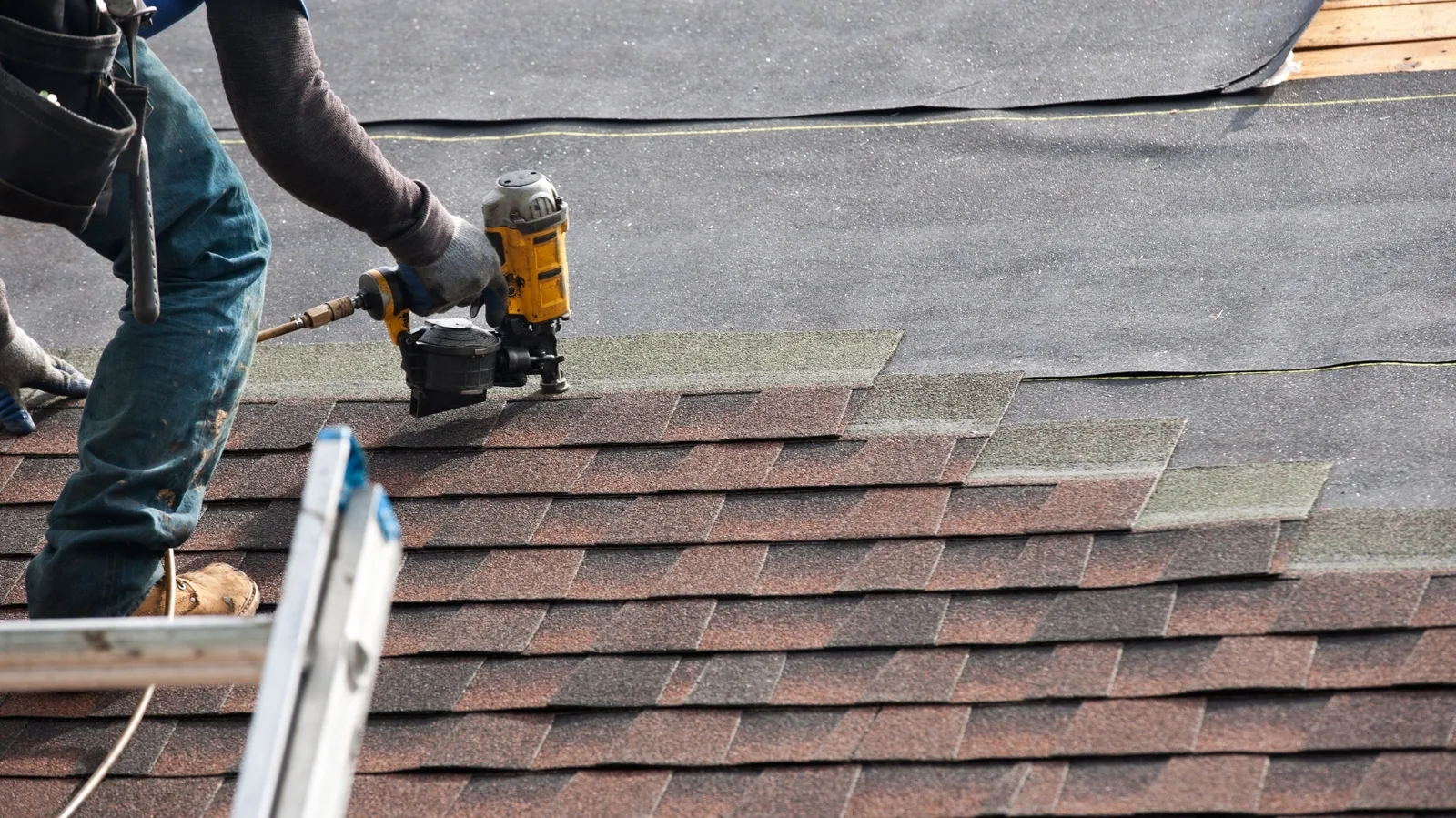
A repair price and a replacement price describe different work. Before a total can mean much, the proposal needs to identify the affected area, the materials and connections involved, and what happens if concealed damage is found.
This guide explains the work that changes a roofing price. A project-specific amount needs the actual roof measurements and condition; you do not have to collect those measurements yourself.
The house’s floor area is not the measured roofing area. Slopes, overhangs, attached sections and roof geometry change the surface and the labor required. Roofers sometimes use a square, meaning 100 square feet of roof surface; the unit needs to be clear.
The covering is one part of the scope. Underlayment, flashing, edges, penetrations and other required components affect both material and labor. A low covering price does not describe a complete roof.
Existing layers, safe access, debris handling and disposal affect the project. A confined work area or difficult roof position changes setup even when the visible repair looks small.
The full extent of damaged decking or other affected layers may emerge only after opening the roof. Known work and the price or approval method for additional work should be distinguishable.
A roof repair includes the access and detail work needed to restore a limited area. Dividing that cost by a tiny patch size can be misleading because setup and the connection still have to be done.
A roof replacement includes removal and installation across the agreed roof scope. Material options are meaningful when the underlying work, details and exclusions remain visible beside them.
A price only means something next to the work it buys. Two proposals for the same roof can differ a great deal because one includes new flashings, drip edge and a decking allowance and the other is quiet about all three. These are the parts of a proposal that explain its total.
Which slopes or areas are included, which materials go on, and which existing parts stay, such as wall flashing, vents or gutters. The total should match that description.
An allowance is not confirmed work. Where a cost depends on something nobody has seen yet, such as decking, the proposal should give the unit price and say how a change gets approved. That keeps a starting figure from being mistaken for a fixed price.
Interior drywall and paint, rooftop equipment work and drainage beyond the roof are often separate. Knowing those boundaries matters when one leak involves several trades.
A price needs the roof measurements, material choices and condition. A small repair can involve difficult access and careful detail work; a replacement may reveal concealed damage after removal. An inspection brings those cost questions into the project scope.
No. The work price and the policy settlement are different amounts. The insurance payment guide explains deductibles, valuation and payment stages.
The roof still needs appropriate installation, a sound base and correct details. Compare the selected product together with the complete assembly; a product upgrade cannot compensate for omitted necessary work.
No. The roof scope planner organizes questions about condition and possible work. It does not measure, diagnose or price the property.
Request a free inspection to establish the roof concern and the work that needs to be priced for your Balch Springs property.
(469) 489-5594Start with a free roof inspection.