Roof repair in Balch Springs

A damaged shingle or failed flashing does not settle the size of the job. Get the roof checked and understand what a repair needs to connect to.

(469) 489-5594Free walked roof inspection
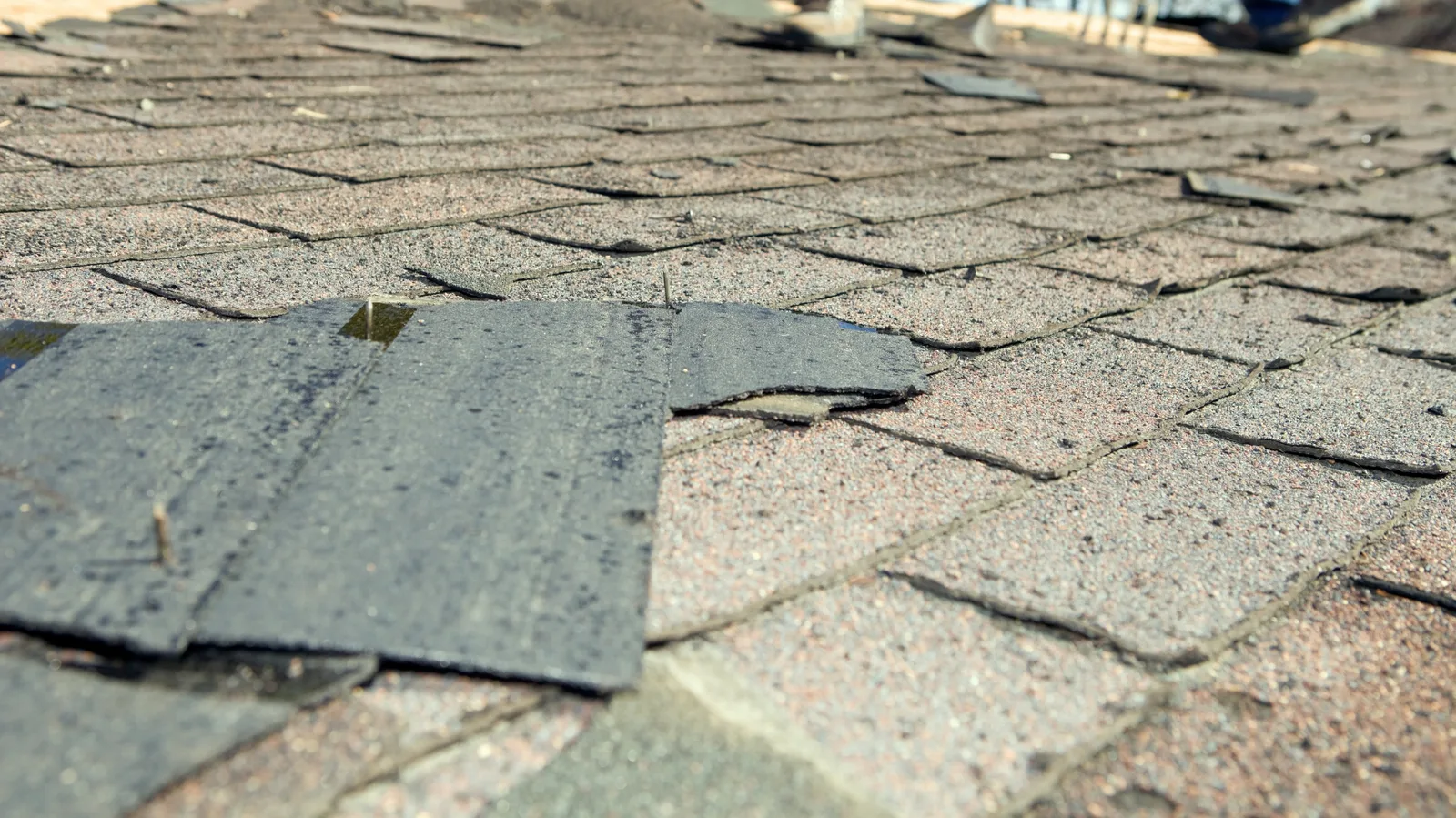
Torn shingle flap folded back over weathered roofing with exposed nails

Request your free roof inspection

Tell us about the property and what you have noticed.

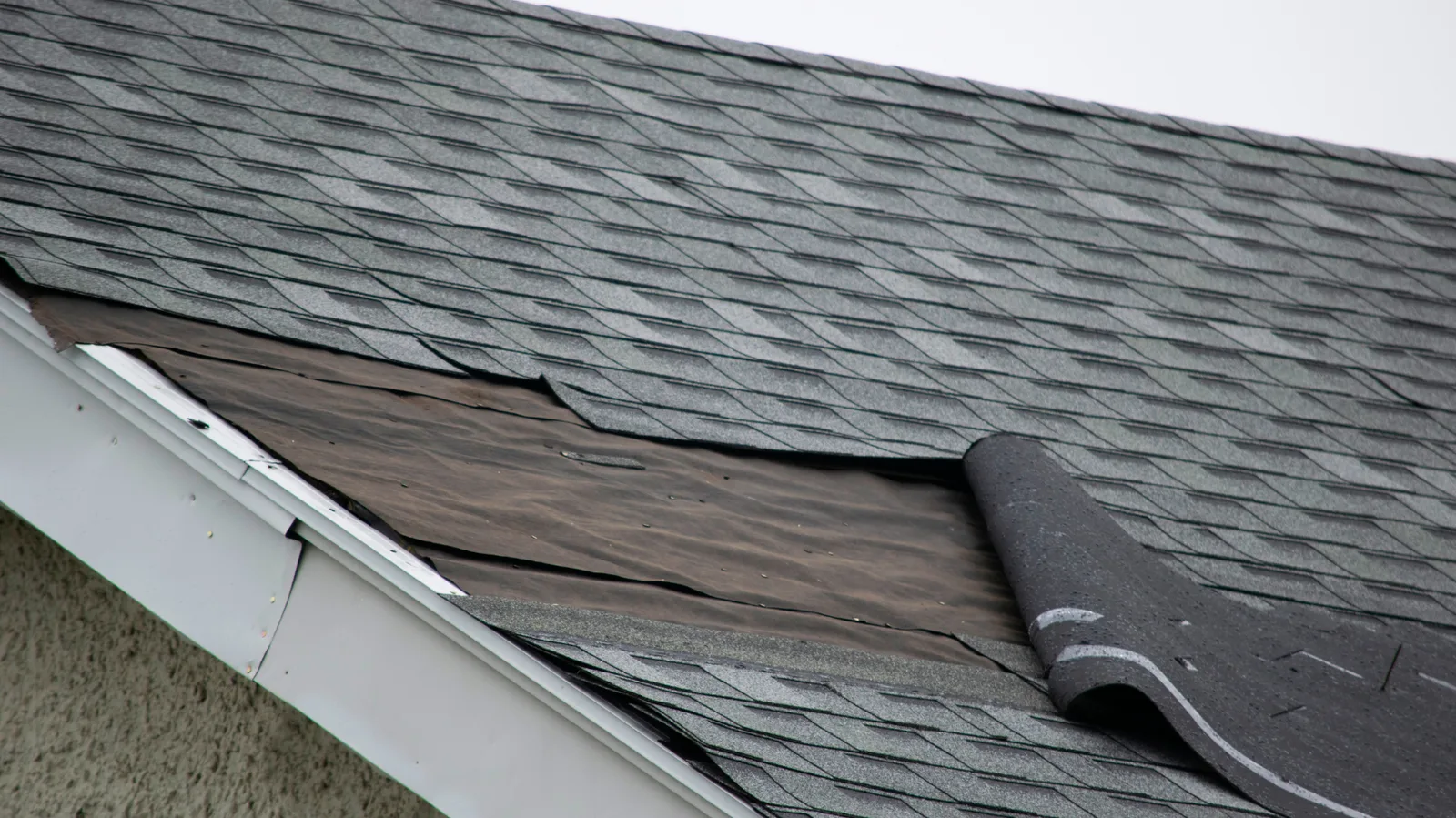
Torn shingles exposing underlayment on a gray asphalt roof slope
Torn shingles expose the layer beneath the covering. Illustrative photograph.

Roof repair for a damaged Balch Springs roof

A roof repair has to restore the way the roof sheds water. Replacing a torn shingle addresses an opening in the covering. Repairing the metal flashing where a roof meets a wall addresses a different path: rain entering at the joint instead of running over it.

The connection to the remaining roof matters just as much as the damaged piece. Shingles beside a repair must be workable enough to lift and tie into the new material. A boot around a plumbing vent has to fit the pipe and connect correctly with the surrounding shingles.

A free inspection gives those details a closer look. Tell us what you have seen from the ground or inside the house, and leave the roof-level assessment to the roofer.

What a Balch Springs roof repair covers

Most repairs come down to one of a handful of jobs. Each involves different parts of the roof and a different amount of taking apart.

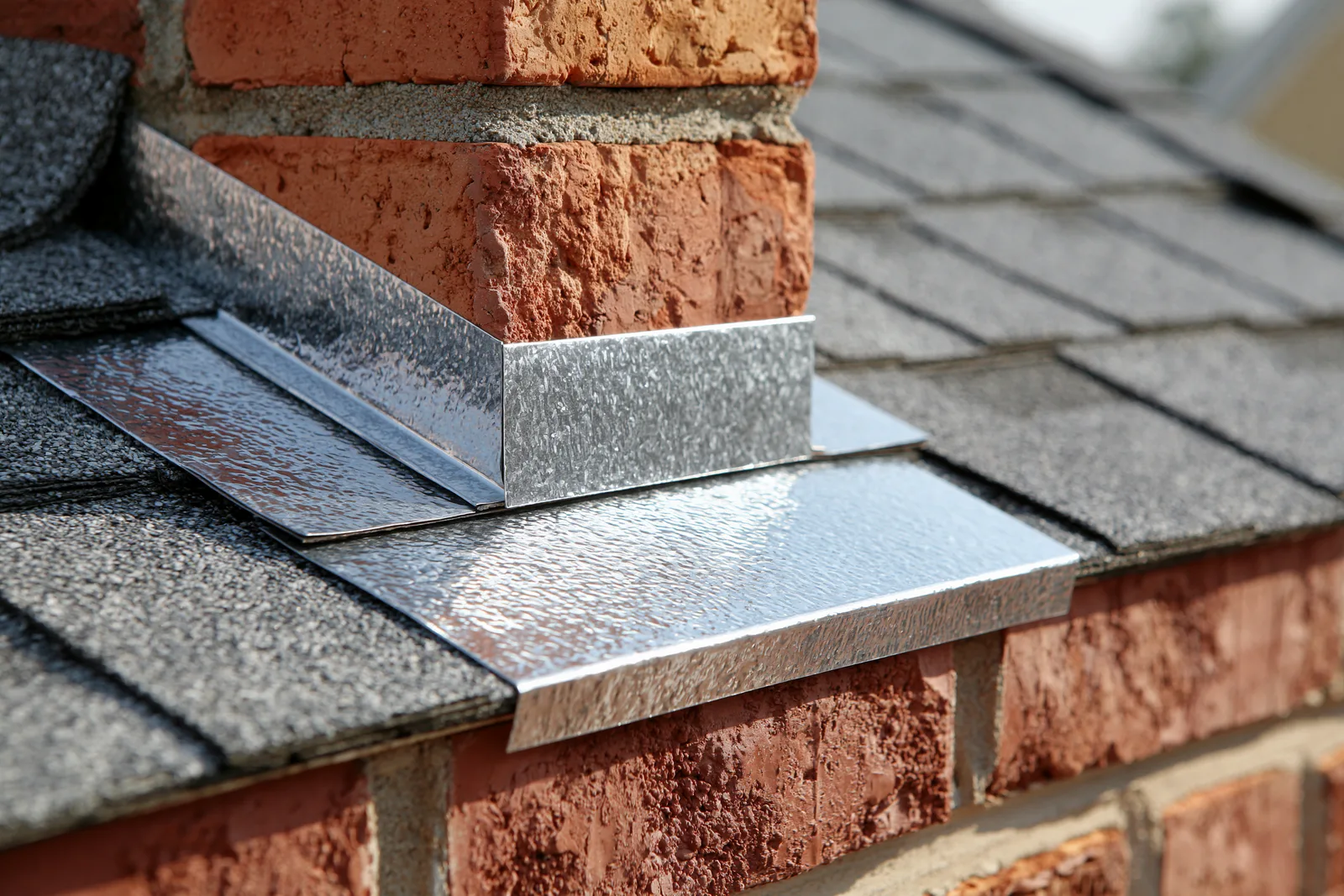
Metal saddle flashing wrapped around a brick chimney base on a shingle roof
Metal flashing where a chimney meets the shingles. Illustrative photograph.
Missing, torn or lifted shingles

Wind gets under a shingle edge, breaks the seal strip and either folds the tab back or tears it off at the nails. The repair takes out the damaged shingles, checks the underlayment below for tears, and slides new shingles in under the course above so the nails are covered and the tabs seal down. The shingles around the hole have to be lifted to do that, which is why their condition decides how big the repair gets.

Pipe boots and roof vents

Every plumbing pipe that comes through the roof wears a boot: a metal or plastic base with a rubber collar that hugs the pipe. Years of Texas sun dry that collar out until it cracks, and rain then runs down the outside of the pipe into the attic. Replacing a boot means lifting the shingles around it, swapping the whole piece and laying the shingles back over its upper half. Box vents and turbine bases are handled the same way.

Flashing at walls and chimneys

Where a slope runs into a wall or chimney, overlapping pieces of bent metal called step flashing carry water down the joint one shingle course at a time, and siding or a second layer of metal covers their top edge. When pieces rust through, slip, or were smeared with roof cement instead of being layered, water gets behind them. The fix takes up the shingles along the joint, replaces the metal and re-lays the courses. On a chimney it can include the counter-flashing set into the brick.

Valleys

A valley collects the runoff from two slopes, so it carries more water than any other part of the roof. Leaks here come from worn shingles in the channel, a cracked metal liner or nails set too close to the centerline. A valley repair usually means opening several feet of both sides to get new underlayment and metal or shingles in place, so it runs larger than the wet spot suggests.

Soft or rotted decking

When a leak has gone on for a while, the plywood or plank deck under it softens, and new shingles nailed into soft wood will not hold. The bad section is cut back to the nearest rafters and replaced at matching thickness before the underlayment and shingles go back over it.

How a roof repair is carried out

The order matters as much as the materials. A roof sheds water because every layer laps over the one below it, and a repair has to put that order back.

  1. Find where the water actually gets in

    The roofer starts at the symptom and works uphill. Water runs down the underlayment and the deck before it drips, so the opening is usually above the stain, often at the nearest pipe, wall or valley.

  2. Check what the repair has to tie into

    Before anything comes off, the surrounding shingles are tested. If they lift and bend without cracking, the repair can stay tight around the damage. If they snap, the patch has to reach out to shingles that will survive being handled.

  3. Open the area

    Damaged shingles and flashing come out. This is the first moment anyone sees the underlayment and deck in that spot. It may be dry and solid. It may show torn underlayment, a rusted nail line or a soft board that could not be seen from above, and the repair grows to include it.

  4. Fix what is underneath, then rebuild in order

    Soft decking is replaced first. Then underlayment, then flashing, then shingles, each layer lapping over the one below so water never meets an uphill edge. Sealant has a place at a few details, but it backs up the overlaps. It does not replace them.

  5. Seal down and clean up

    New tabs are sealed so wind cannot lift them, exposed nail heads are covered, and debris comes off the roof and out of the gutters below the work.

When a Balch Springs roof repair can stay local

The visible damage gives the inspection a starting point. These conditions determine where the repair can finish.

Sound surrounding covering

If the material around the opening can accept the correct fastening, overlap or sealed connection, the work can stay focused on the affected detail. A repair does not need to become a whole new roof simply because one part has failed.

Damage below the covering

Water can affect the decking or other layers beneath the surface. Replacing only the top piece leaves that problem in place. The repair scope needs to include affected material underneath and a sound base for the new covering.

Deterioration that extends farther

When shingles crack as they are lifted, or failures show up across several slopes, each connection gets harder to make and less likely to last. That is when a larger repair or a roof replacement deserves a price alongside the patch. There is no leak count that settles it. The condition of the roof that would be left in place does.

What changes roof repair cost in Balch Springs

Roof area alone does not price a repair. A small opening in a difficult detail can take more work than its size suggests. These contrasts show where the money goes.

What drives the price
Keeps the job smaller
Makes the job larger

How much roof comes apart

Keeps the job smaller

A cracked pipe boot on shingles that still flex. A few shingles are lifted, the boot is swapped and the same shingles go back down.

Makes the job larger

A long run of wall flashing or a valley. Several courses on one or both sides come up along the full length before any new metal goes in.

Access and pitch

Keeps the job smaller

A single-story, walkable slope where a ladder and basic fall protection are enough.

Makes the job larger

A steep or two-story slope, or a spot behind a chimney or above a sunroom, where setup takes longer than the repair itself.

Matching material

Keeps the job smaller

A common architectural shingle that is still made. The patch ties in cleanly, even if weathering leaves the color a shade off.

Makes the job larger

A discontinued shingle or an older three-tab size. The new pieces still have to fit the existing courses, which can mean reworking a larger area so it lies flat.

What is under the shingles

Keeps the job smaller

Dry underlayment and solid decking once the area is opened. The job stays what it looked like from above.

Makes the job larger

Soft or stained decking under the leak. Wood is cut out and replaced before the roof goes back on, typically priced per sheet or board on top of the base repair.

The roof scope planner explains these condition questions without asking you to calculate a price or inspect the roof yourself.

Balch Springs roof repair FAQs

Does one missing shingle mean I need a roof replacement?

No. The inspection needs to establish the surrounding condition and whether the new work can tie into it. Widespread brittle or failing material changes the decision; one visible opening does not decide that by itself.

Will sealing the spot stop a roof leak?

A compatible sealant is part of some roof details, but putting it over an unexplained leak does not fix a failed overlap, loose flashing or damaged layer beneath. The repair needs to address the entry path and the installed material.

Can repaired shingles look different?

Yes. Existing shingles have weathered, and a product or color may have changed or been discontinued. A repair needs a sound material connection first; appearance and the extent of visible mismatch belong in the project discussion.

What should I include in a repair request?

Tell us the property ZIP code, where you noticed the problem and roughly when it began. You can request a free inspection without climbing onto the roof or knowing which part has failed.

Have your Balch Springs roof repair looked at

Start with what you have noticed. A free roof inspection can help establish the affected area and what the repair needs to include.

(469) 489-5594

Start with a free roof inspection.

Request your free roof inspection

Tell us about the property and what you have noticed.

Call (469) 489-5594Request roofing help