Roofing services in Balch Springs

A leak, visible damage and a planned roof project do not all need the same answer. Find the service that fits what is happening at your property.

(469) 489-5594Free walked roof inspection
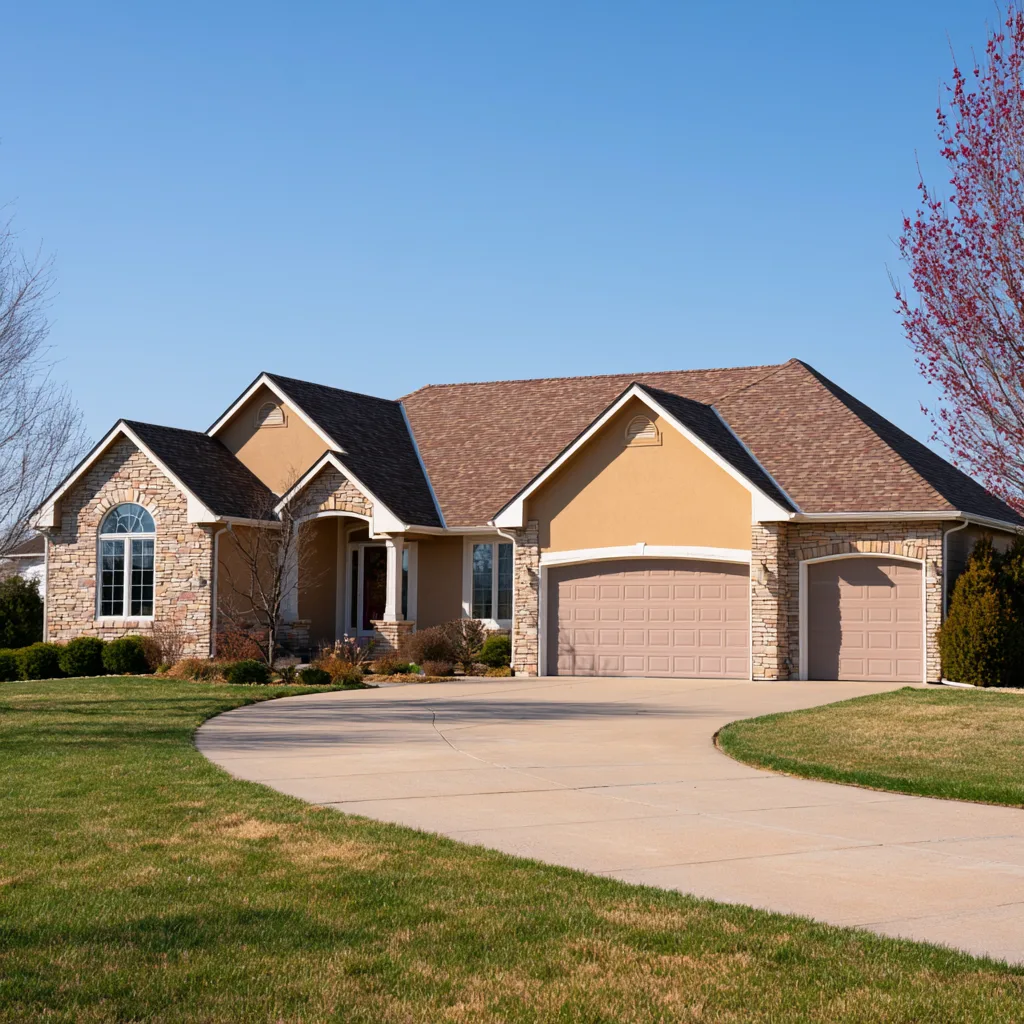
Stucco and stone ranch home with a brown architectural shingle roof

Request your free roof inspection

Tell us about the property and what you have noticed.

An inspector examining shingle condition by hand on a sunlit roof
A close roof examination, shown for illustration.

The right roofing service starts with your concern

You do not need to identify a failed roof part before asking for help. Describe the problem you can see or the project you are considering. A free inspection brings that question to the roof itself.

Most roof work falls into a few kinds. Something failed in one spot and can be fixed there. Water is getting in and the entry point has to be found first. The whole covering has worn to the point where patches stop holding. Or you simply don't know yet, and the right first step is a closer look. Here is how those differ, what each job involves and where one turns into another.

Roofing services for Balch Springs homes

Start with the situation that sounds like yours. Each one explains the work and points to the pages that go deeper.

Something has failed in one place

A shingle tore off in the wind. The rubber boot around a vent pipe split. The metal where the roof meets a wall pulled loose. These are repairs: the damaged piece comes out, the area underneath gets checked, and new material is woven back into the shingles around it so water keeps running over the top of every layer.

A repair stays small when the roof around it is still in good shape. Shingles that bend without cracking can be lifted and nailed back down. Shingles that snap when they are lifted turn a two-shingle fix into a larger patch, and that is often the first sign the conversation is moving toward the rest of the roof.

A leak is its own kind of repair, because the first job is finding where the water gets in. The stain on the ceiling marks where it came out. The opening can be several feet up the slope, at a pipe, a wall or a valley. If water is coming in right now, start with the urgent page for what to do safely while help is arranged.

  • Roof repair

    Damaged shingles, pipe boots, wall and chimney flashing, valleys and soft decking, and what keeps a repair small.

    Understand roof repair
  • Roof leak repair

    How a leak is traced from the stain back to the opening, and what gets fixed once it is found.

    Get help with a roof leak
  • Urgent roof repair

    Safe steps while water is entering, what temporary protection does and the permanent repair that follows.

    Address an urgent roof concern

You are not sure what the roof needs

Plenty of roofs never announce their problems. The roof is getting older, a storm came through last week, there are granules in the gutter, or the house next door just got a new roof. None of that tells you what your own roof needs.

The free inspection is for exactly that. A roofer walks the roof and looks at the shingles up close, then at the places where they are interrupted: pipes, vents, walls, valleys and the edges. After hail or high wind the same walk looks for creased tabs, missing shingles, bruised spots and dented metal. The answer may be a repair, a replacement or nothing at all, and a roof in good shape gets called that.

Storm work has one extra wrinkle. What a roofer finds on the roof and what an insurance policy covers are separate questions, answered by different people. The storm damage page explains how the two fit together.

The roof is worn all over

Replacement comes into view when the problem is no longer one spot. Shingles are brittle across several slopes, granules have worn down to the mat, earlier patches are failing around their edges, or leaks keep turning up in new places. Each repair then has less sound roof to tie into, and the money goes into a covering that is near the end anyway.

A replacement takes the old roof off down to the wood deck. That is the one time the deck, the underlayment and every flashing can be seen and put right before new material covers them again. It is also when material choices matter: which shingle, whether an impact-rated product makes sense with North Texas hail, or whether metal suits the house and the budget.

The material pages are most useful once you know the roof needs replacing, not before.

  • Roof replacement

    Tear-off, decking, underlayment, flashings and shingles, the order the job runs in and what changes the price.

    Plan a roof replacement
  • Shingle types

    Three-tab, architectural and impact-rated shingles, what is inside them and how color plays on the house.

    Compare shingle decisions
  • Metal roofing

    Standing seam and screw-down panels, how they go on and what they cost relative to shingles.

    Explore metal roofing

The water problem is at the roof edge

Not every water problem is a shingle problem. Gutters that overflow, leak at a seam or pull away from the fascia can soak the roof edge, stain the soffit and dump water beside the foundation while the roof above is fine. Trouble runs the other way too: missing drip edge or a rotted fascia board can make a sound gutter look like the culprit.

Sorting out which one you are looking at comes first. Then it is a matter of repair, re-hanging or new gutters.

  • Gutters and roof drainage

    Overflow, leaking joints, sagging runs and fascia trouble, and what gutter repair or replacement involves.

    Understand gutter options

How a Balch Springs roof inspection becomes a scope of work

Every roofing job, small or large, comes down to a list: what gets removed, what gets installed, what stays, and what nobody can see yet. The inspection is where that list starts. Knowing how it is put together makes any roofing proposal easier to read.

A roof is more than its shingles. Under them sits underlayment, and under that the wood deck the shingles are nailed to. Metal flashing bridges every joint where the roof meets a wall, chimney, pipe or valley. A repair touches a small piece of that stack. A replacement rebuilds most of it.

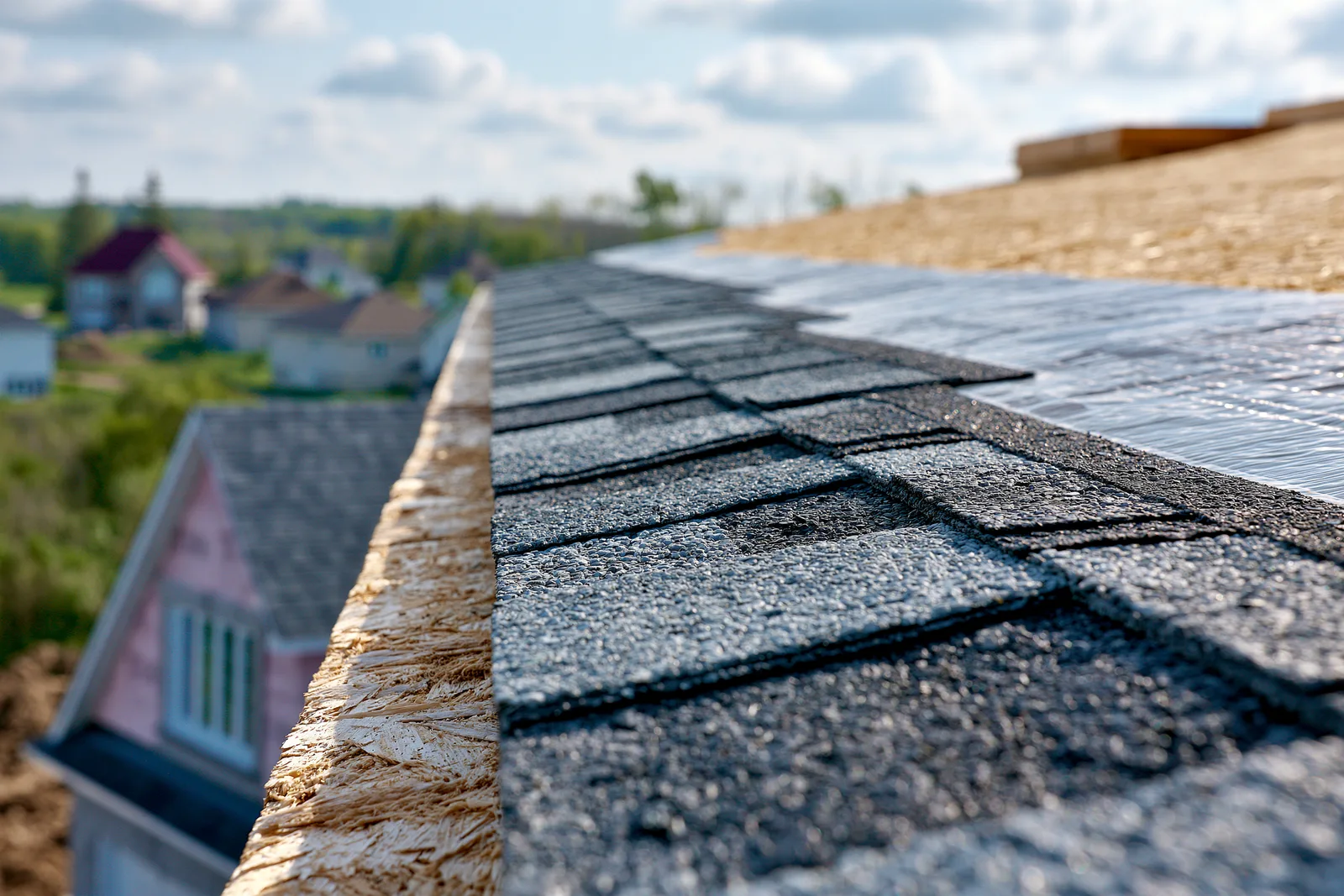
Asphalt shingles transitioning to underlayment and exposed roof decking along a roofline
Shingles, underlayment and wood decking at a roof edge. Illustrative photograph.

What a clear scope of work answers

What the roofer saw

The condition of the shingles, the state of the flashings and pipe boots, any soft spots underfoot and how far the damage runs. That is what separates a one-area problem from a roof-wide one.

The work that is known

For a repair: which shingles and which flashing come out, and what goes back. For a replacement: tear-off to the deck, new underlayment, flashings, boots and drip edge, ridge and vent pieces, the chosen covering, cleanup and haul-off.

What stays in place

A repair leaves most of the roof alone, so the condition of what stays matters as much as the new piece. On a replacement, sound decking stays, and wall or chimney flashing is reused only when it is in good shape and can be tied in properly.

What nobody can see yet

Decking hides under the shingles until they come off. Soft or rotted wood is commonly handled as an allowance, a set price per sheet or board, with the count settled once the deck is open. Better spelled out at the start than discovered on the invoice.

The roof scope planner turns your situation into a short list of questions for the inspection, and the roof cost guide explains how repair and replacement prices are built.

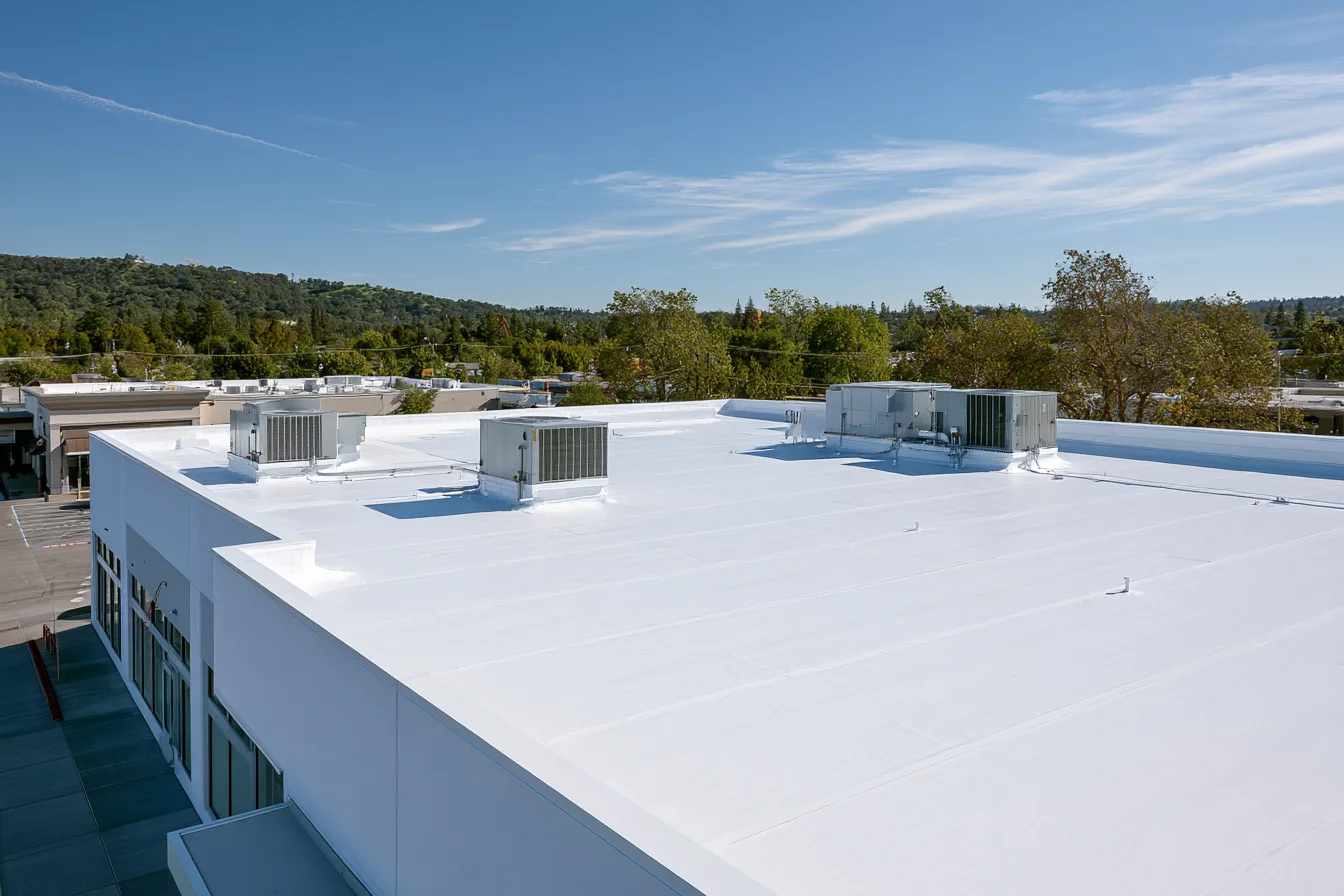
Single-ply membrane covering a commercial flat roof with air handling units
A low-slope commercial roof with rooftop equipment. Illustrative photograph.

Commercial roofing services in Balch Springs

A commercial roof is an operating asset, and a low-slope one works differently from a house roof. Instead of shingles shedding water downhill, a membrane or built-up surface sits over insulation and moves water slowly toward drains or scuppers. Seams, the curbs around rooftop units, parapet walls and anywhere water stands are where an inspection spends its time.

For an owner or property manager, the real question is which of three paths the roof qualifies for. That depends less on the roof's age than on whether the insulation underneath is still dry and the membrane is still well attached. The work also has to fit the building: tenants, deliveries, rooftop equipment and the hours the business runs.

Explore commercial roof options

Repair what has failed

Open seams, punctures, failed pipe and curb flashings and damaged drains can be fixed on their own when the membrane around them is sound. If water has already soaked the insulation below, the wet section comes out with the repair. Otherwise the patch just seals moisture in.

See flat roof repair

Restore with a coating

A coating can extend the service of a roof that is dry, well attached and draining. It is a finish over a sound roof, so seams and flashings are repaired first and wet areas are replaced. A saturated roof, or one that ponds badly, is not a candidate.

See roof coatings

Replace the system

When insulation is wet across wide areas or the membrane is at the end of its life, replacement is the honest answer. TPO roofing is a common single-ply choice for these buildings, and a roof maintenance routine afterward keeps small problems small.

Start with the roof you have

Tell us about the property and the concern. You can request a free inspection before deciding which service the roof needs.

(469) 489-5594

Start with a free roof inspection.

Request your free roof inspection

Tell us about the property and what you have noticed.

Call (469) 489-5594Request roofing help