Roof replacement in Balch Springs
A replacement should have a reason and a defined scope. Start with the remaining roof condition, then plan the materials and connections that will take its place.
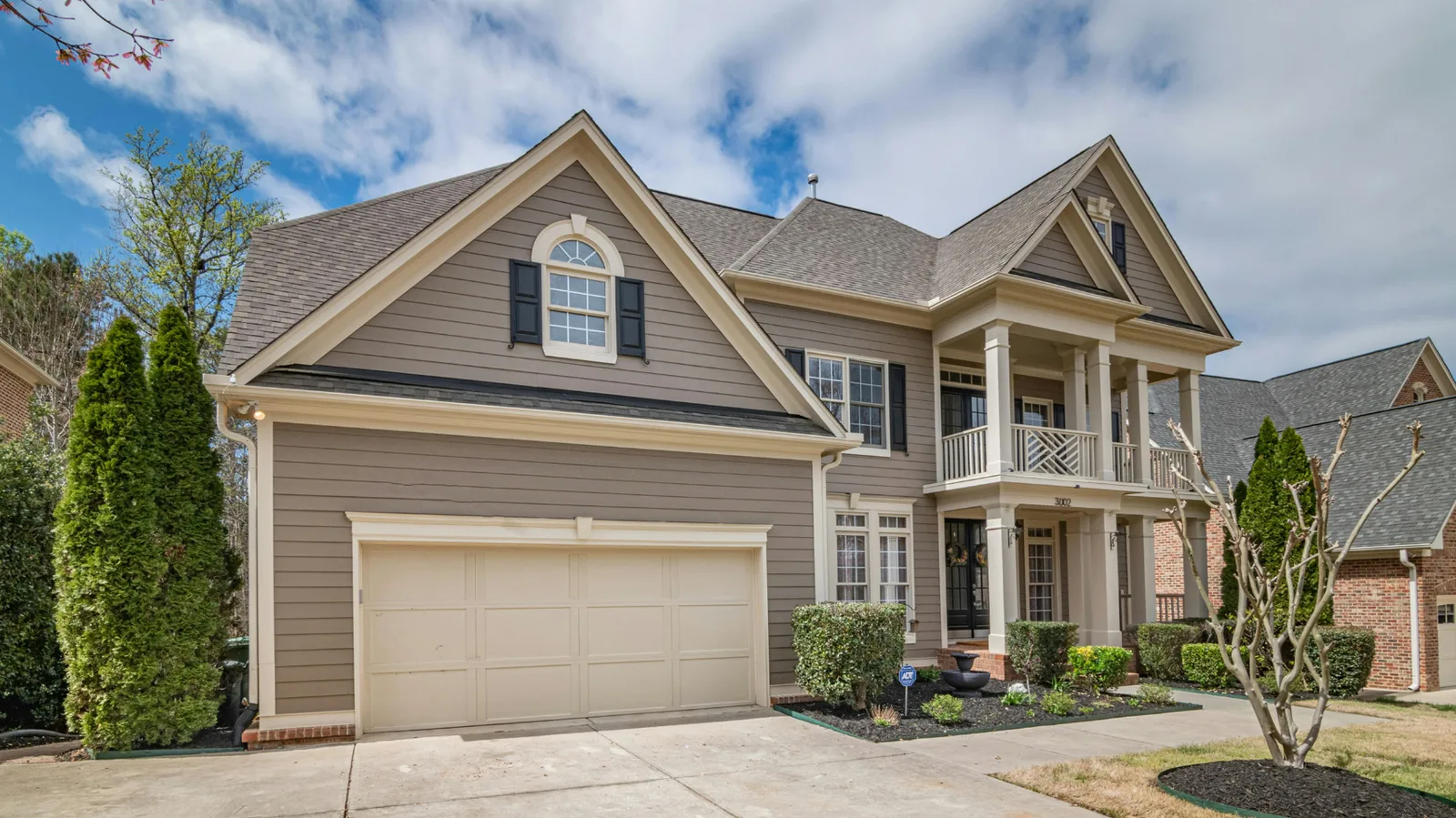
When a Balch Springs roof needs replacement
A roof with damage confined to one detail can be a repair question. Replacement enters the discussion when deterioration extends across the covering, repeated failures no longer have sound connections, or the underlying assembly needs broader work.
Age is useful background, but it does not inspect the roof. The existing material, the extent of deterioration and the condition beneath it give the replacement decision its basis. A free inspection can help put those findings in context before you choose a product.
What a Balch Springs roof replacement includes
Replacement brings the roof covering and its supporting details into one project. The proposed scope identifies what comes off, what remains suitable and what must be repaired before new material goes on.
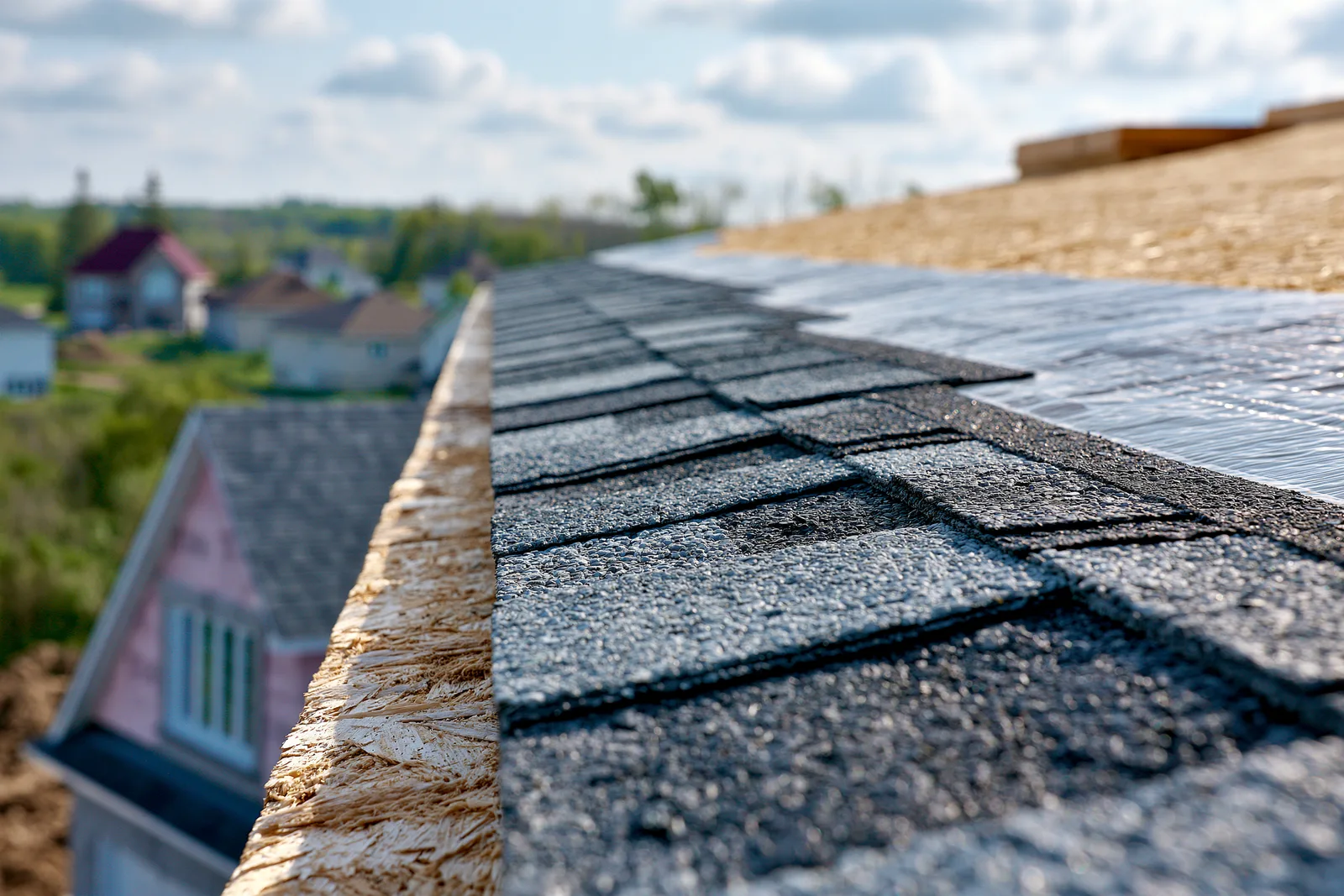
- Tear-off
Removing the existing covering exposes the deck and connections that an overlay would conceal. The removal plan identifies the actual layers and the components being replaced. Any recover proposal also needs to satisfy the condition of the existing assembly, structural capacity, applicable limits and the selected system.
- The deck
Exposed plywood, OSB or plank decking is assessed for soundness, support and attachment. Decayed, delaminated or otherwise unsuitable material needs repair or replacement. Roof framing concerns require their own evaluation; new shingles do not correct a failing support below the deck.
- Underlayment and leak barrier
Underlayment provides a secondary protective layer beneath the covering. Product, laps, fastening and any self-adhered barriers follow the roof system and applicable requirements. These layers work with flashing and shingles; no product label alone guarantees that an unfinished roof will exclude rain.
- Edges, flashings and boots
Drip edge, valleys and flashing at walls, chimneys and pipes must connect correctly to the new covering. Sound existing details may be retained when they remain suitable; failed or incompatible ones need rebuilding. New shingles over a defective connection can leave the original leak unresolved.
- Shingles, ridge and cleanup
Starter, field shingles and hip or ridge caps follow the selected product requirements for fastening and sealing. Ventilation work follows the attic design. Disposal, cleanup of affected gutters and ground areas, and a final review of the work belong in the project scope.
A Balch Springs roof replacement from tear-off to cleanup
The sequence brings removal, concealed repairs and the new covering together. Roof size, access, weather and agreed work affect how the project is staged.
Inspection and measurements
The accessible roof and known concerns are assessed, and the slopes and details are measured for the project. Findings help establish whether a limited repair remains useful or replacement would address wider conditions. Some layers or connections may still require investigation during removal.
Material and scope decisions
The plan identifies the covering, underlayment, flashing, ventilation work and how concealed repairs will be assessed and authorized. Permit requirements belong with that proposed work before construction begins. The roof permit guide links the City information.
Protecting the property
Delivery, waste collection and access need space. The setup plan accounts for vehicles, landscaping, windows, equipment and occupied areas near the work. The owner should know which parts of the property will be affected and which arrangements are needed.
Tear-off and deck repair
Removal is staged around the roof and weather, with suitable temporary protection available. The exposed deck and connections are checked, and unsuitable material is repaired before being covered. Some underlying conditions may require further assessment beyond the tear-off itself.
Dry-in, flashings and shingles
Protective layers, edges, flashing and the covering are installed in the order required by the selected assembly. Shingles connect from the eaves toward hips and ridges, while roof openings and wall junctions need their own integrated details. An unfinished roof requires protection suited to the actual exposure.
Cleanup and a final look
The agreed waste removal and nail collection are completed, and affected gutters and ground areas are checked. The final review considers flashing, roof openings, edges and the installed covering, with remaining project questions addressed before closeout.
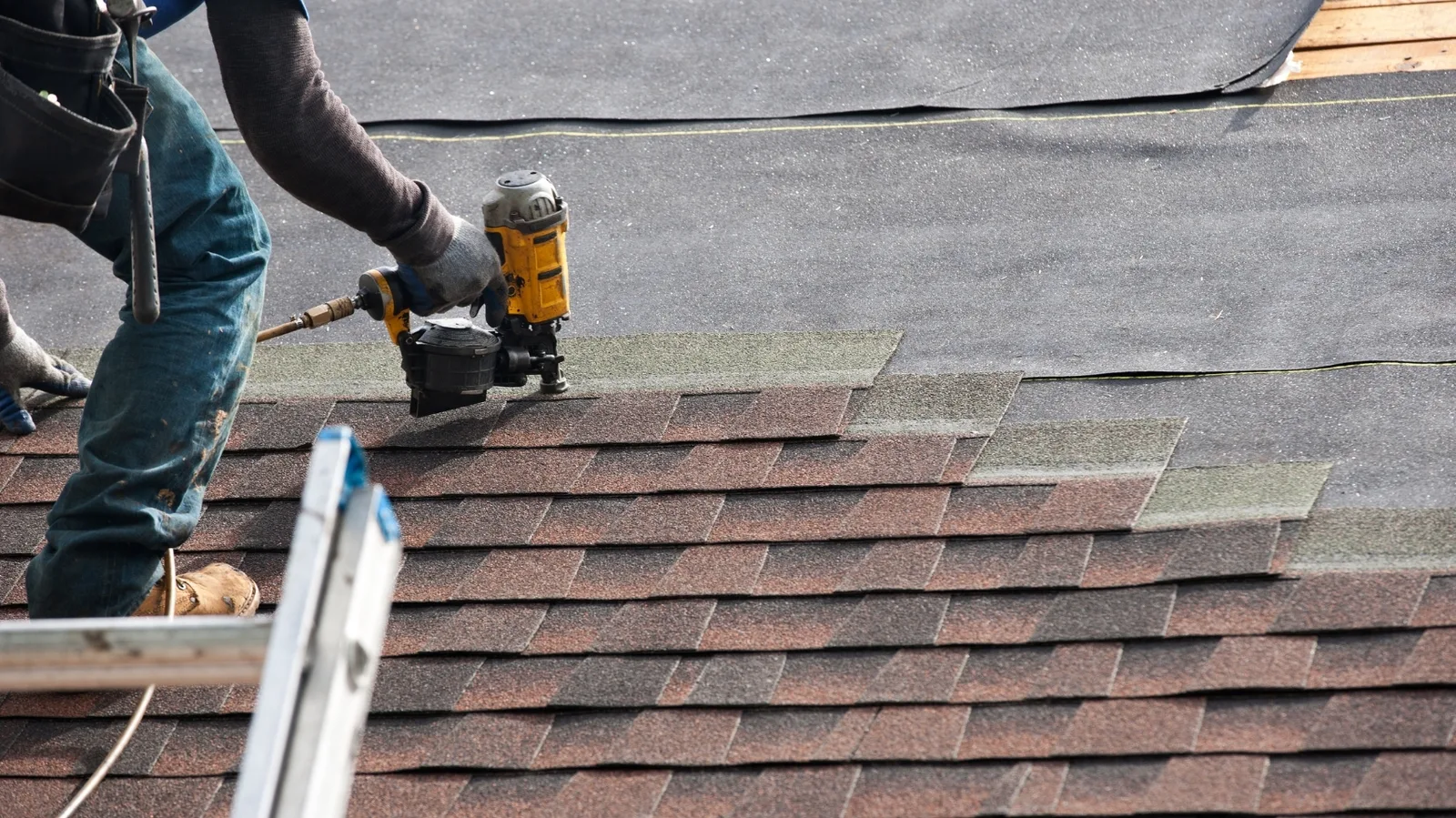
A new roof includes the connections
A fresh field of shingles can look complete while a difficult joint still needs attention. Valleys carry water from intersecting slopes. Wall and pipe flashings close the transitions where a covering alone cannot do that job. Those details should be part of the replacement discussion.
For a vented attic, intake and exhaust need a connected air path suited to that assembly. An unvented roof uses a different approach. Replacement is a useful time to address an inadequate arrangement, but adding ridge vent or mixing more vent types does not by itself resolve ventilation.
What stays unknown until the old roof comes off
Some conditions become clearer when covering is removed. The project needs a way to assess, price and authorize concealed repairs. Known work and remaining uncertainty should both be understandable before removal starts.
- How much decking is bad
Soft areas or visible stains can justify closer investigation, but do not establish the entire repair. Exposed decking is assessed for soundness, support and attachment. A unit allowance can help price defined material; labor, framing or access needs may also affect the work.
- A second layer of roofing
Additional roofing layers increase removal and disposal. Some can be identified before work, while concealed layers may become clearer during removal. The scope should state what has been established and how additional material will be handled.
- Flashing behind siding or brick
Connections behind siding or masonry may need selective opening to assess their condition. Rebuilding a failed connection can involve adjacent wall materials as well as roofing; that work needs to be identified and authorized.
What changes replacement cost in Balch Springs
Two houses with the same floor plan can carry very different roofs. These are the things that move a replacement price.
- Roof area and shape
Measured roof area establishes material quantities. Valleys, hips, dormers and intersections add cuts, flashing and waste compared with broad uninterrupted slopes of the same area. The complete geometry matters alongside the total surface.
- Steepness and height
Pitch, height and the available approach affect safe access and material handling. A steep slope or a roof above an addition may require additional staging. Story count alone does not price the setup.
- Removal and concealed work
Existing layers, disposal, concealed deck repairs and difficult flashing removal affect the work. The proposal distinguishes established quantities from allowances and explains how further findings will be priced and authorized.
- Material and assembly choices
Compare shingle options or metal roofing together with their underlayment, fastening and detail requirements. The price of the covering alone is not the price of a roof.
The roof cost guide walks through how these pieces show up in a proposal.
Balch Springs roof replacement FAQs
Does an old roof automatically need replacing?
No. Age helps explain the history, but the current covering, connections and underlying condition determine the work. A sound roof and a roof with widespread deterioration should not receive the same answer merely because they were installed in the same year.
What if damaged decking is found during removal?
The affected material needs to be addressed before it becomes the base for the new roof. The proposal should explain how concealed conditions are identified, priced and authorized, since not everything is visible during an initial inspection.
Can I change roof materials?
A material change needs an assembly review, including slope, deck, loads, fastening and the details around the roof. Available options depend on the actual building; a different appearance is only part of the decision.
How long will replacement take?
Size, shape, removal, repairs, weather and access affect the schedule. Discuss the project-specific sequence and any disruption before work begins.
Plan your Balch Springs roof replacement
Start with a free inspection and a conversation about the roof condition. Then compare the replacement scope and material choices for your property.
(469) 489-5594Start with a free roof inspection.