Stay clear of the hazard
Move away from a sagging or unstable ceiling and keep people out of areas where water is near electrical equipment. Do not handle wet electrical devices or enter a damaged area to save possessions.
If water is entering or a roof opening is exposed, tell us that directly. Keep people safe while the access, temporary protection and repair needs are assessed.
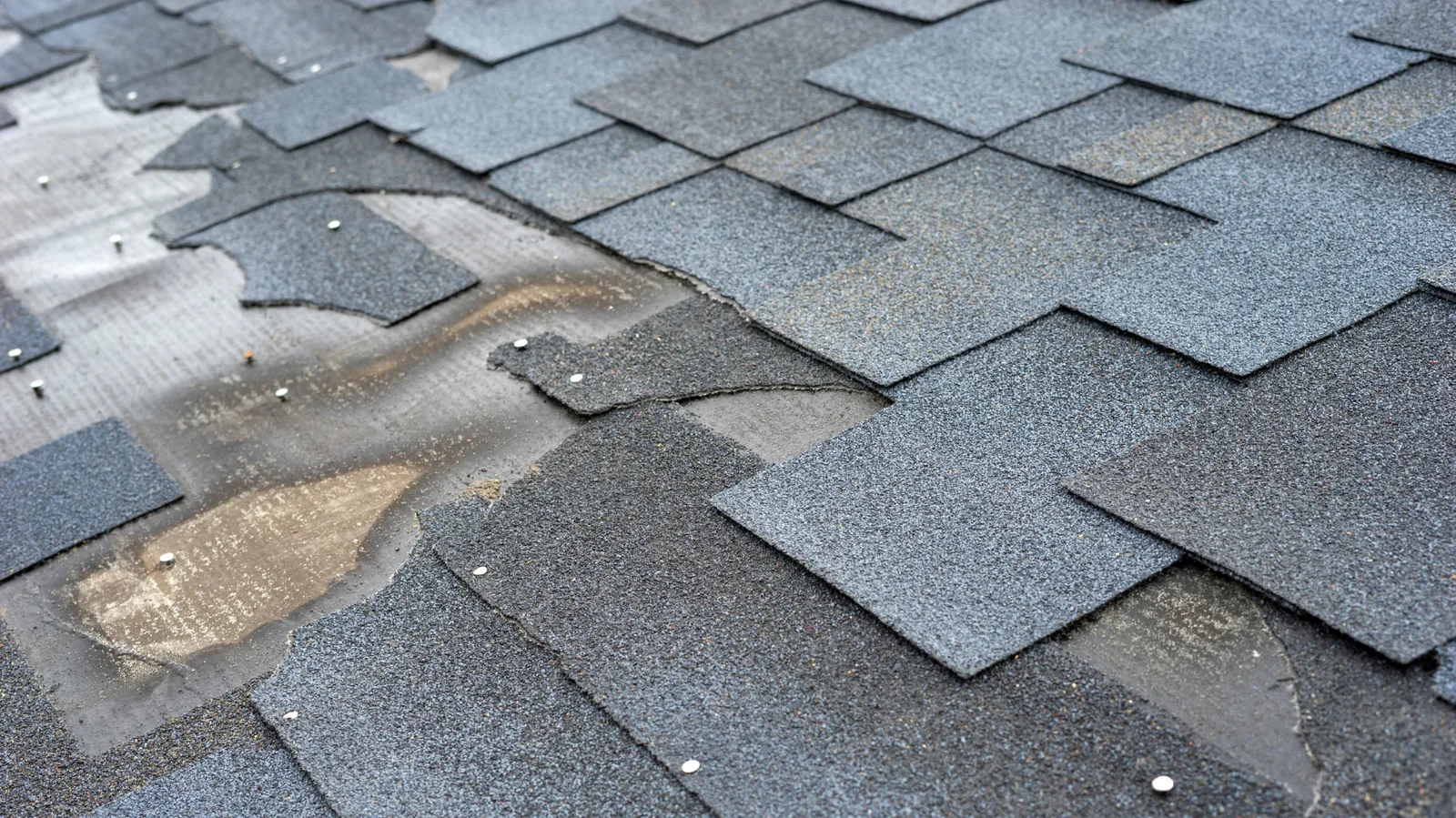
An active leak can move a roofing concern to the front of your day. Start by describing where the water is appearing, whether covering is visibly missing and any immediate hazards you can see safely.
Call or use the request form to describe what is happening. Confirm availability, safe access and the expected arrival time before relying on a visit.
Move away from a sagging or unstable ceiling and keep people out of areas where water is near electrical equipment. Do not handle wet electrical devices or enter a damaged area to save possessions.
A room name, a description of the leak and an observation from the ground can start the request. There is no need to climb a ladder, enter an unsafe attic or get close to a damaged roof edge for photographs.
Temporary protection buys time. It keeps the next rain out of the house while the permanent repair is lined up, and it only works when it is put on the right way.
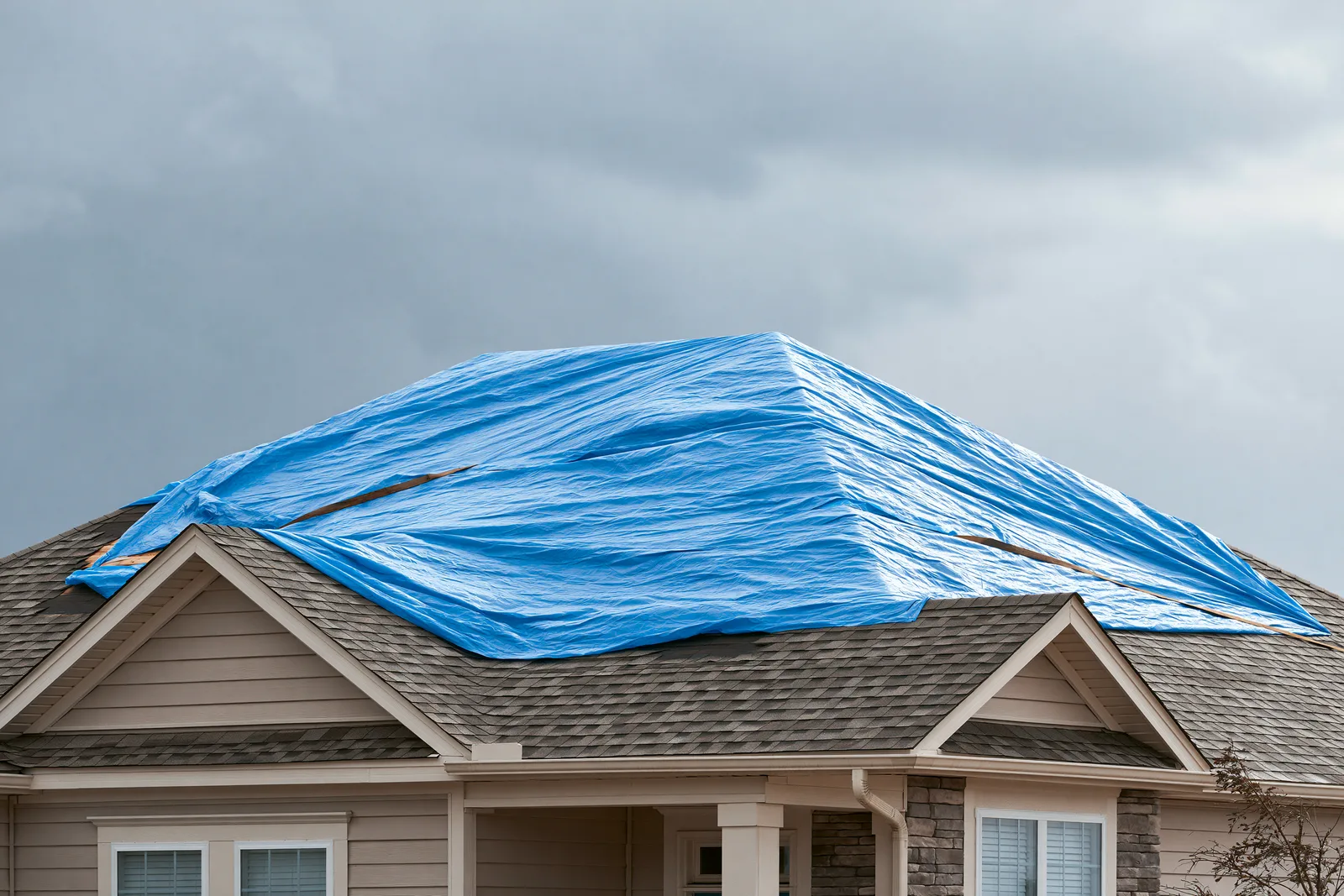
A tarp has to run over the ridge, or be fastened well above the hole, so water cannot get under its top edge. It is held down with boards along the edges instead of loose nails through the middle, and it is pulled tight so wind cannot work it like a sail. A tarp is good for days or weeks. It is not a season-long fix.
A few missing shingles or a puncture from a branch can often be covered with a temporary patch of underlayment or sealed for the short term. The point is the same: keep water off the wood until the shingles and flashing can be put back correctly.
A tree limb through the roof is a structural question before it is a roofing one, because the limb may be holding up what it broke. The limb comes off first, framing is repaired next and roofing follows. Tree removal is its own trade.
Catch the water, move what you can, and stay out from under a ceiling that is bulging. Wet insulation and drywall get dealt with after the roof is closed up, and they dry faster the sooner the water stops.
Wind, lightning, roof damage and the surrounding site can prevent immediate roof-level work. The person assessing the situation needs to determine when and how the roof can be approached.
Where appropriate, temporary protection addresses exposure while permanent work is arranged. Discuss which temporary measure suits the opening, how long it can remain in place and what follow-up work is needed.
Temporary protection is not the completed roof leak repair. The permanent scope needs to restore the damaged covering or detail and address affected layers beneath it.
An overnight visit needs confirmation. Describe the urgency when you call so availability and timing can be discussed. Immediate personal hazards need emergency services.
Do not climb onto a damaged or wet roof to install temporary protection. Falls, unstable material and weather exposure create hazards. Let appropriately equipped people assess safe access and the suitable measure.
Give the property location, where water appears and whether you can see an opening from a safe place. Mention any active safety concern and building-access arrangements without entering a hazardous area to investigate.
Tell us whether water is entering now and where it appears. Start the roofing request, and use emergency services separately for immediate danger.
(469) 489-5594Start with a free roof inspection.